Stage vs. Clinical
Two Different Worlds
Two words that sound the same but describe entirely different worlds. One is a performance. The other is a partnership. Here is why the difference matters.
Educational content based on the clinical hypnotherapy framework taught at the Hypnosis Motivation Institute.
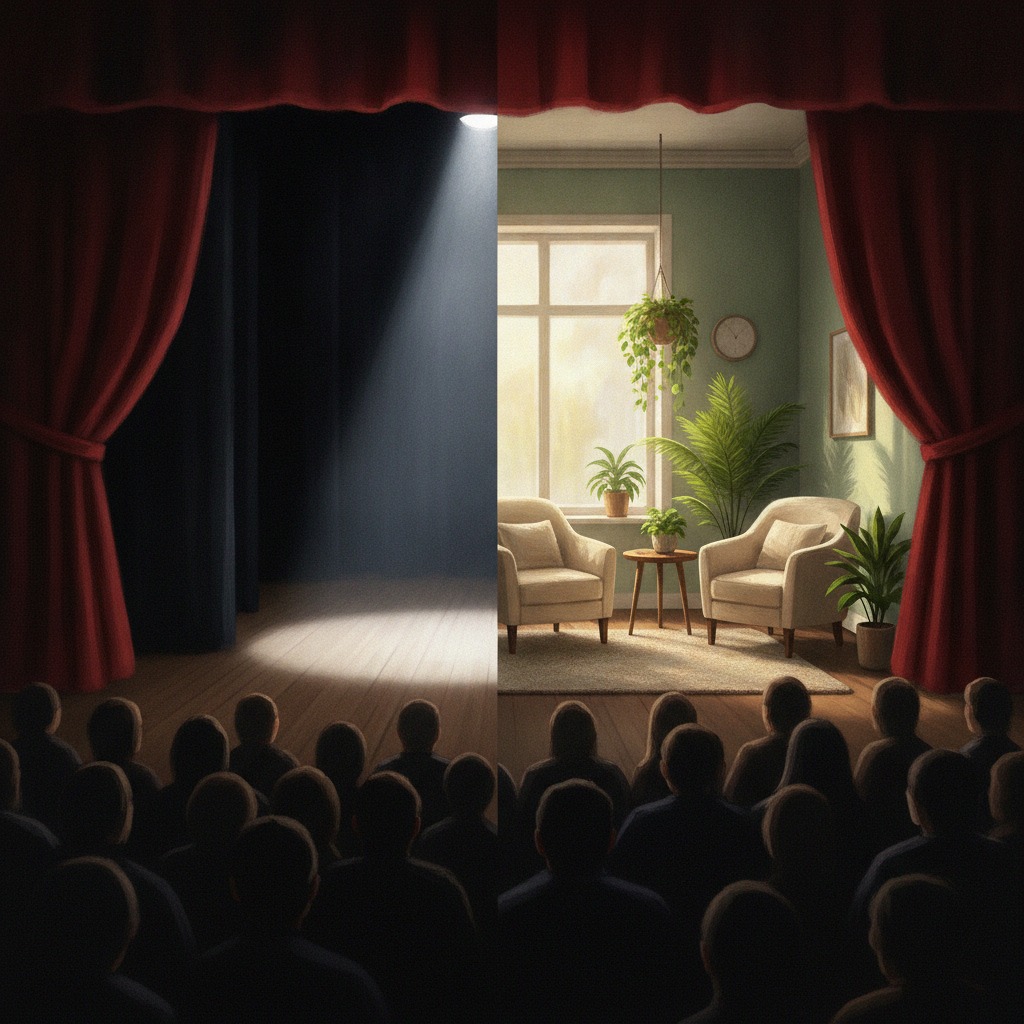
There are two worlds that share the same name. One lives under a spotlight, on a stage, in front of an audience holding their breath. The other lives in a quiet room, between two chairs, in a conversation that no one else will ever hear. They are both called hypnosis. But they have almost nothing in common.

Stage hypnosis is entertainment. It is designed to astonish. The performer selects volunteers who are naturally highly suggestible, eager to participate, and comfortable being the center of attention. The audience sees people doing extraordinary things and assumes the hypnotist has taken control of their minds. But that is the illusion. The volunteers are willing participants in a performance. They are not under control. They are under a spotlight.
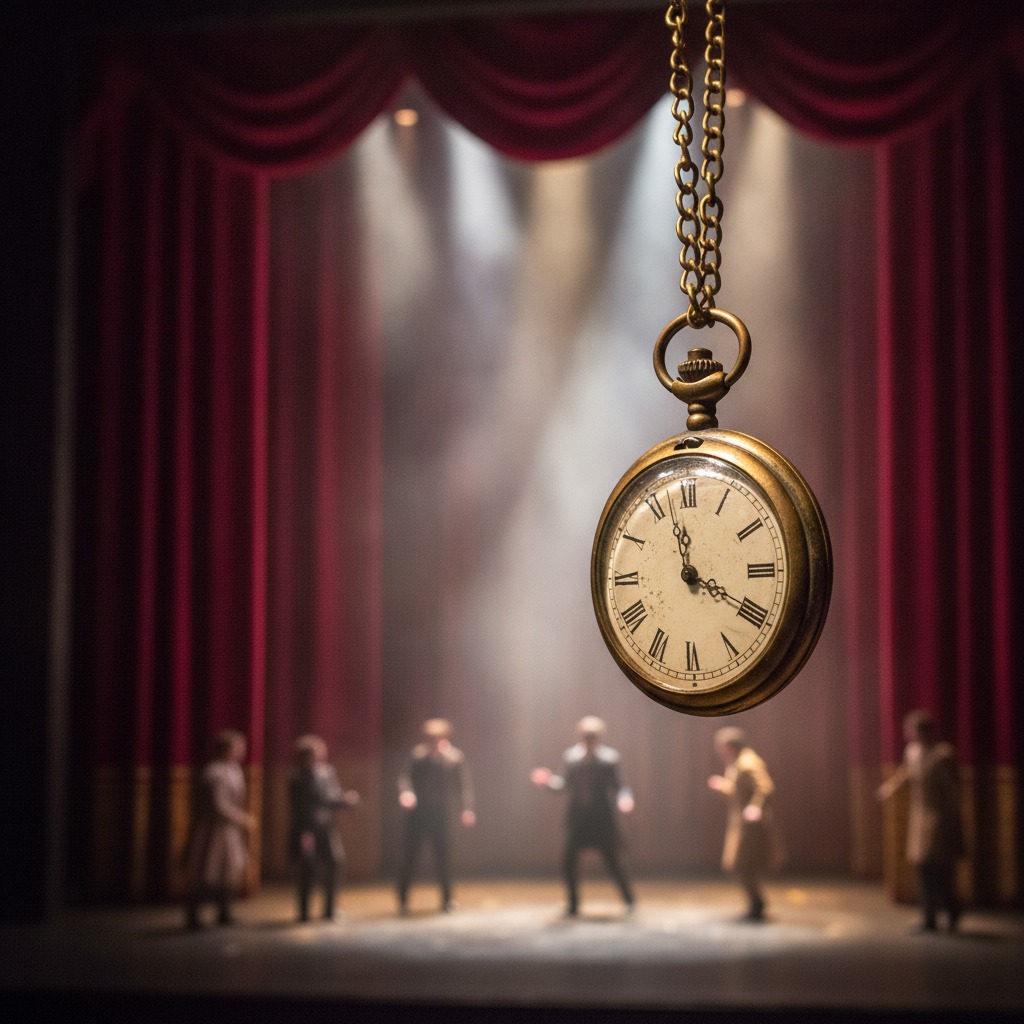
The stage hypnotist uses rapid induction, group pressure, audience expectation, and theatrical flair. The goal is spectacle. The pocket watch, the commanding voice, the dramatic finger snap, the person falling limp into the hypnotist’s arms — these are tools of showmanship. They make great television. They also make terrible therapy. Because therapy is not about performing for an audience. It is about listening to one person.

Clinical hypnotherapy happens in private. There is no audience. There is no performance. There is no pressure to entertain, impress, or do anything at all. There are two people in a room, and one of them is you. The practitioner does not command. They guide. They do not take control. They create the conditions in which your own mind can do its deepest work.

The purpose of stage hypnosis is to entertain an audience. The purpose of clinical hypnosis is to help one person change. That difference shapes everything — how the session begins, how suggestions are crafted, how deep the work goes, and what happens after. On stage, the effect lasts for a few minutes of laughter. In a clinical session, the effect is designed to last a lifetime.

A stage hypnotist gives the same instructions to everyone. A clinical practitioner learns how your specific mind receives information — whether you respond best to direct, literal suggestion or to story, metaphor, and imagery — and shapes every word around your unique pattern. This is the Kappasinian model of suggestibility. We do not bend you around the tool. We bend the tool around you.
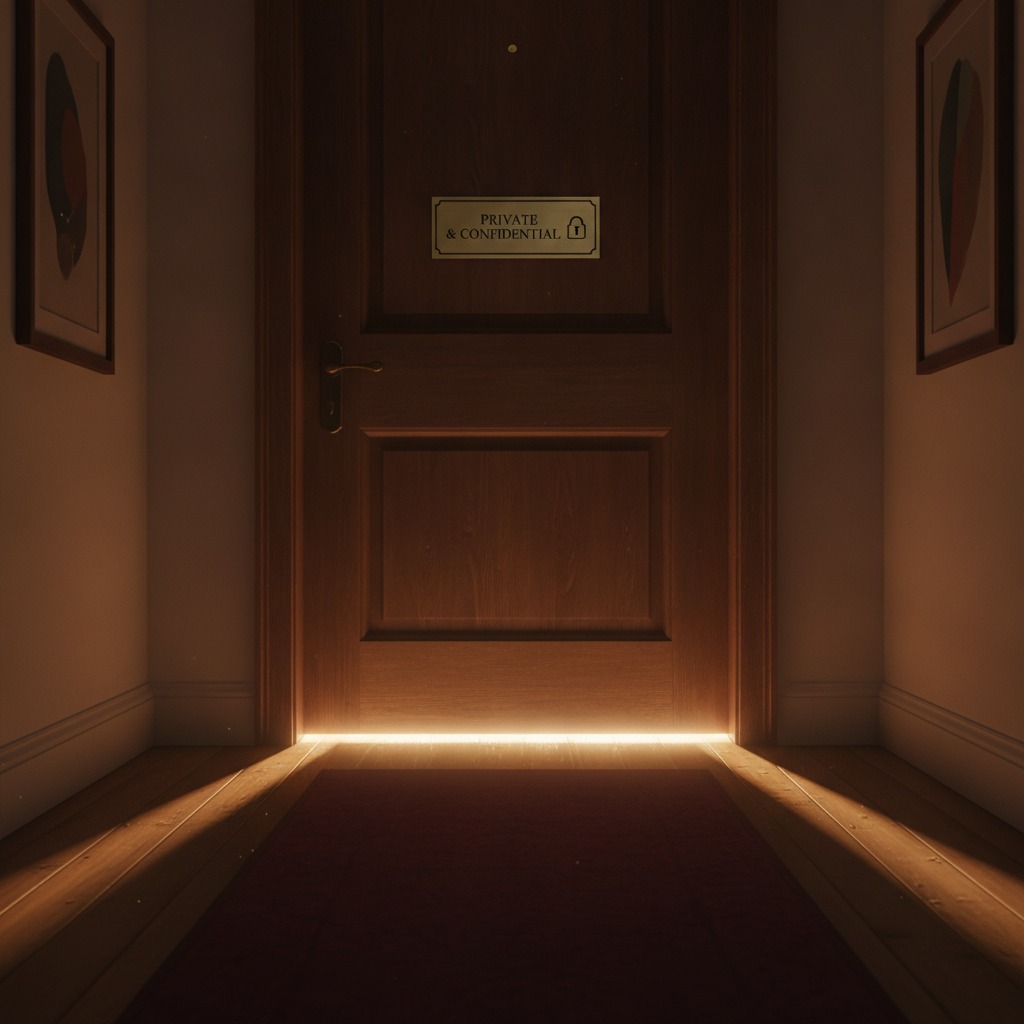
On stage, the experience is public. In a clinical session, everything is confidential. Your goals, your history, your emotional responses, and the content of your session are protected. Written disclosure is provided before any work begins. You decide what to work on. You decide how deep to go. You can end the session at any moment. There is no audience to perform for. There is only your own growth.

In a clinical session, you will not be asked to do anything embarrassing, strange, or out of character. You will sit comfortably with your eyes closed. You will hear a calm, steady voice guiding you into a state of focused relaxation. You will remain aware, possibly hyper-aware. You may feel light, heavy, tingly, or simply calm. Your mind may wander, and that is perfectly normal. It will feel familiar — because you have been in this state a thousand times before, every time you lost yourself in a book, a film, or a sunset.

The real power of clinical hypnosis is not spectacle. It is access. Access to the eighty-eight percent of your mind that holds your habits, beliefs, emotional patterns, and automatic responses — the part that willpower alone cannot reach. In this focused, relaxed state, the critical filter softens, and carefully crafted suggestions can reach the subconscious directly. Not by force. By invitation. Not by command. By cooperation.

So when someone asks you about hypnosis, and their mind goes to a stage, a show, a swinging watch — you will know the truth. What happens in this room is not a performance. It is a partnership. It is quiet, private, tailored to you, and designed to create change that lasts. The stage is entertainment. This is the real work.
Two worlds. Same name. Entirely different purposes. One makes you laugh for a moment. The other helps you change for a lifetime.
← Back to all guidesThis is educational content based on the clinical hypnotherapy framework taught at the Hypnosis Motivation Institute. It is not a medical or psychological claim.